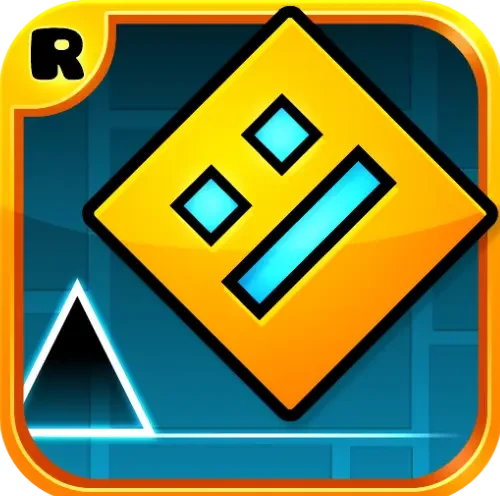
When players talk about quirky, challenging, and wildly entertaining indie-style games, two titles almost always pop up: Geometry Dash vs Pikuniku. Both offer completely different worlds, yet gamers love comparing them for one simple reason: they deliver fun in opposite ways. Geometry Dash vs Pikuniku is a clash between fast, rhythm-based precision and goofy, story-driven exploration. One pushes your reflexes to the limit, while the other leans into humor, puzzles, and lighthearted adventure.
Despite their contrasting styles, both games have earned loyal fan bases, speedrunners, and casual players who enjoy unique gameplay experiences. This comparison isn’t just about which game is “better,” but which one suits your mood, skill level, and playstyle. Whether you’re chasing high-intensity action or a relaxed comedic journey, this guide breaks down gameplay, difficulty, and overall fun to help you decide where to jump next. Ready? Let’s dive in.

What Are These Games About?
Before diving into mechanics and challenge levels, it helps to understand what each game actually offers at its core. Geometry Dash is a fast-paced, rhythm-based platformer where you control a tiny geometric icon and leap through obstacle-packed levels synced to music. There’s no storyline, no characters, and no dialogue, just pure timing, reflexes, and satisfying rhythm action. On the other hand, Pikuniku is a quirky adventure puzzler set in a colorful world filled with characters, humor, and light problem-solving.
Instead of intense jumps and razor-sharp timing, you explore, talk, kick objects, and unravel a playful narrative. This Geometry Dash comparison highlights a major difference: one game is all about skill and repetition, while the other focuses on creativity, exploration, and charm. Even though both fall under the broader platforming genre, they deliver entirely different vibes and attract different types of players.
Gameplay Breakdown
When it comes to how each game actually feels to play, the difference is massive. Geometry Dash throws you straight into high-speed platforming where every jump, flip, and dash is tied to the beat of the music. There are no pauses, no exploration, and no room for mistakes; one tiny slip sends you back to the start. It’s designed for fast reaction times and tight muscle memory, making every successful run feel incredibly satisfying. This style becomes even more interesting in the Pikuniku gameplay review, where the experience is almost the opposite.
Pikuniku slows things down and lets you move freely through open areas, interact with characters, solve puzzles, and progress at your own pace. Instead of rhythmic precision, the game focuses on humor, discovery, and playful physics. When comparing Geometry Dash vs Pikuniku, gameplay becomes a battle between intense, straight-line action and free-form adventure, appealing to completely different types of gamers.
Which Game Is Harder?
If there’s one area where the gap becomes crystal clear, it’s difficulty. Geometry Dash is infamous for its brutal learning curve. Levels demand perfect timing, relentless focus, and split-second reactions. One tiny mistake means restarting from zero, which is why many players describe the Geometry Dash difficulty level as unforgiving but highly rewarding. The challenge ramps up fast, turning each level into a test of rhythm, precision, and patience. In contrast, Pikuniku takes a much softer approach.
Its challenges are tied to exploration, light puzzles, and simple movement, making the Pikuniku game mechanics far more forgiving. You’re encouraged to experiment, laugh at mistakes, and enjoy the playful world rather than grind through failure. When you look at Geometry Dash vs Pikuniku from a pure difficulty standpoint, Geometry Dash clearly caters to competitive, skill-driven players, while Pikuniku welcomes casual gamers who prefer a relaxed, low-pressure experience.
Features & Core Mechanics Comparison Table
| Feature / Mechanic | Geometry Dash | Pikuniku |
| Gameplay Style | Fast, rhythm-based platforming with nonstop movement | Slow, exploratory platforming with freedom to roam |
| Controls | One-button jumps, taps, and timed inputs | Movement, jumping, kicking, interacting with objects/NPCs |
| Progression | Beat levels through repetition and precision | Advance by solving puzzles and completing story events |
| Difficulty Curve | Very steep, mistakes reset the entire level | Mild and forgiving, errors rarely punish progress |
| Level Design | Linear tracks filled with traps and obstacles | Open areas with multiple paths and interactive elements |
| Customization | Unlockable icons, colors, and skins | Minimal customization; focus is on character journey |
| Core Challenge | Timing, rhythm, and muscle memory | Creative problem-solving and exploration |
| Replay Value | Extremely high due to official + user-made levels | Moderate,story-driven with some optional activities |
| Community Content | Massive level editor and user-created challenges | Limited community interaction; more single-player focused |
| Overall Tone | Intense, competitive, skill-focused | Humorous, lighthearted, and narrative-driven |
Which Game Feels More Enjoyable?
Fun hits differently in each game, and it really depends on what kind of thrill you’re chasing. Geometry Dash delivers that intense rush, the kind where your heart rate spikes as you get closer to the finish line. Every successful run feels like a victory, and mastering tough stages makes the Geometry Dash gameplay incredibly addictive. The satisfaction comes from overcoming difficulty, pushing your skills, and shaving seconds off perfect runs. It’s a competitive kind of fun, fast, focused, and adrenaline-packed.
Pikuniku, on the other hand, goes for a totally different vibe. Its humor, silly characters, and playful world create a relaxed, feel-good experience. Even when you mess up, the game wants you to laugh, not rage. The Pikuniku difficulty is mild enough for beginners, which makes exploring, kicking objects, and solving goofy puzzles genuinely enjoyable without pressure. So when comparing Geometry Dash vs Pikuniku, the fun factor splits into two lanes: Geometry Dash is thrilling and intense, while Pikuniku is charming and joyful, perfect for players who want a lighthearted adventure instead of a high-stakes challenge.
Platforms, Audience & Playstyle Differences
Another big part of choosing between the two games is understanding who they’re made for and where they shine best. Geometry Dash is available on mobile, PC, and consoles, making it easy to play anywhere, especially for players who enjoy quick sessions and intense challenges on the go. Its competitive nature appeals to gamers who love pushing limits, speed running, and chasing that satisfying adrenaline rush tied to the Geometry Dash fun factor. It’s perfect for focused players who don’t mind repetition and want a skill-based experience.
Geometry Dash vs Pikuniku, meanwhile, leans toward a more casual, story-loving audience. It’s best enjoyed on platforms like Switch and PC, where players can sit back, explore, and enjoy its quirky humor without pressure. Families, beginners, and anyone who prefers relaxed pacing will feel right at home. When you look at Geometry Dash vs Pikuniku from a player-type perspective, the difference becomes clear: Geometry Dash fits competitive, precision-driven gamers, while Pikuniku caters to curious, laid-back adventurers who want a charming, low-stress journey.

Head-to-Head Comparison Table
To make the differences crystal clear, here’s a direct matchup that highlights how Geometry Dash vs Pikuniku stack up across the core elements players care about:
| Category | Geometry Dash | Pikuniku |
| Gameplay | High-speed, rhythm-based platforming with instant resets | Slow-paced exploration with puzzles and character interactions |
| Difficulty | Extremely challenging; demands precision and focus | Light and forgiving; ideal for casual players |
| Fun Style | Adrenaline, mastery, and competitive satisfaction | Humor, charm, and relaxed adventure |
| Visual Style | Bright, geometric, neon-like designs | Cute, minimal, quirky cartoon world |
| Replay Value | Very high due to user-made levels and mastery goals | Moderate, mostly tied to story and exploration |
| Target Audience | Skill-based, competitive gamers | Casual players, beginners, and story lovers |
| Learning Curve | Steep and punishing | Smooth and accessible |
Conclusion
When weighing everything, from gameplay style to difficulty and overall enjoyment, it’s clear that each game dominates its own lane. Geometry Dash is built for players who crave intensity, repetition, and the satisfaction of conquering brutally tough levels. Its rhythm-based design, endless community content, and competitive edge make it a long-term challenge for skill-driven gamers. Meanwhile, Pikuniku offers a refreshing, quirky adventure that focuses on humor, exploration, and simple puzzle-solving.
It’s perfect for relaxed sessions, younger players, or anyone who prefers creativity over pressure. In the end, the choice in Geometry Dash vs Pikuniku comes down to mindset: go with Geometry Dash if you want adrenaline and mastery; choose Pikuniku if you want laughs, story, and lighthearted fun. And in the broader debate of Geometry Dash vs Pikuniku, there’s no true “winner”, just two unique experiences built for completely different moods.